If you’ve ever been scrolling through messages, social media comments, or texting with friends, you’ve probably come across the term “oop” and wondered what it means.
This short, catchy expression has become a common part of online communication, especially in casual conversations.
People search for it because it often appears in unexpected moments sometimes as a reaction, sometimes as a standalone reply and its meaning isn’t always obvious from context.
Understanding “oop” is important because modern communication relies heavily on quick, expressive shorthand. Just like emojis or abbreviations, this term helps people convey emotions instantly without long explanations.
Whether you’re chatting with friends, commenting on a post, or navigating online communities, knowing how “oop” is used can make conversations smoother and more relatable.
Definition & Meaning
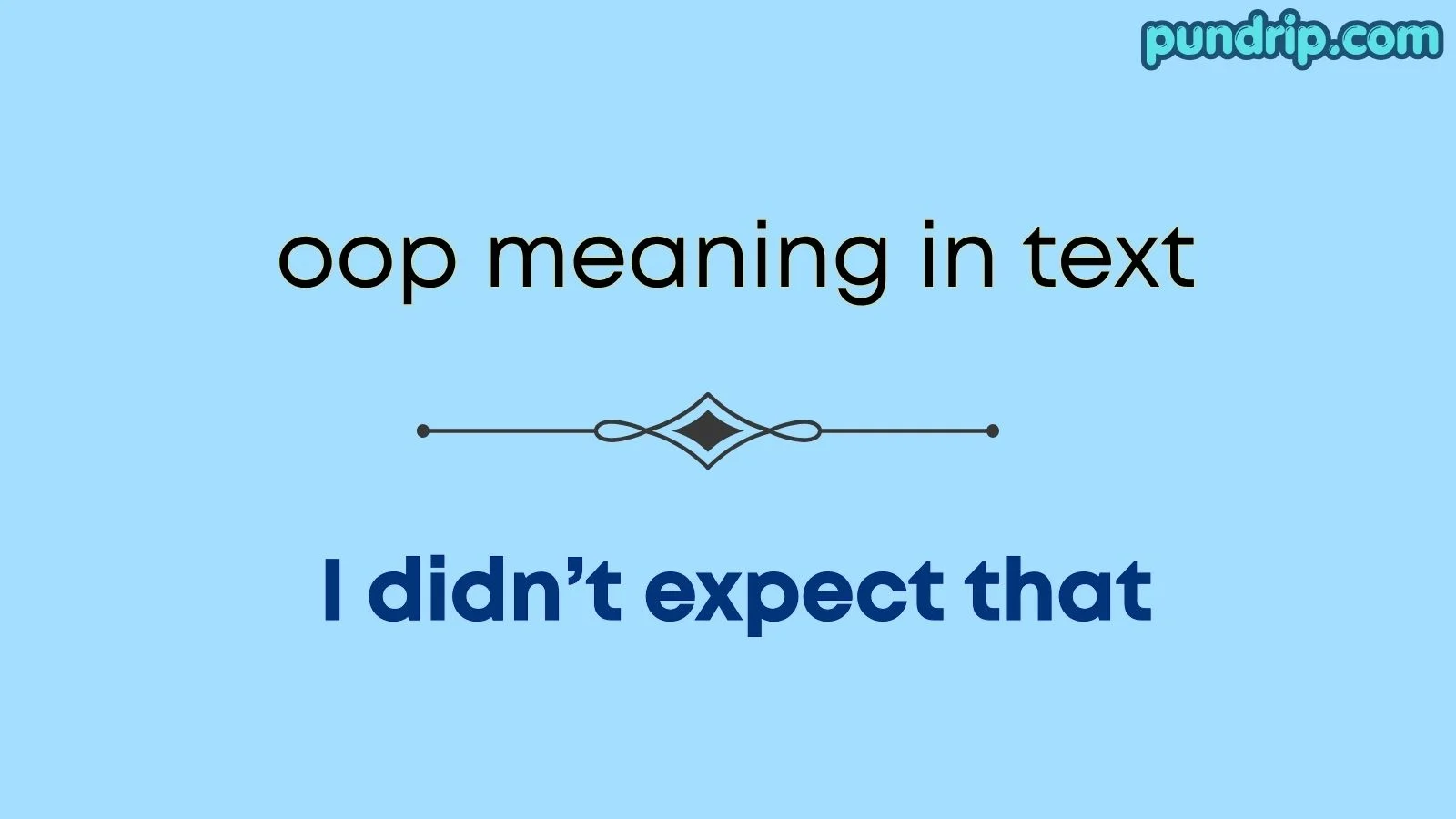
“Oop” is an informal expression used in text conversations to show a sudden reaction. It usually represents surprise, realization, mild embarrassment, or acknowledgment of something unexpected. Think of it as a quick verbal reaction—similar to saying “oops” out loud—but shorter and more modern.
In texting, “oop” can mean:
- “I didn’t expect that”
- “That caught me off guard”
- “Well… that just happened”
- “I made a small mistake”
For example:
- Friend: “I accidentally sent the message to the wrong person.”
- You: “Oop 😅”
Here, “oop” reflects surprise mixed with a bit of humor or awkwardness. It doesn’t always signal a mistake; sometimes it simply reacts to something surprising or dramatic.
Another important aspect is tone. Depending on context, “oop” can be playful, sarcastic, or even slightly judgmental. For instance:
- “Oop… that was bold.”
In this case, it may suggest mild shock or even subtle criticism.
Unlike many abbreviations, “oop” doesn’t stand for anything—it’s more of a sound-based expression. It mimics how people react verbally in real life, making it feel natural in digital conversations.
Overall, “oop” is flexible, expressive, and widely understood in informal communication, especially among younger users and active social media participants.
Background & History
The term “oop” gained popularity through internet culture, particularly on platforms like TikTok, Twitter, and meme-based communities. While it might seem like a modern invention, its roots come from natural human speech—people have been saying similar sounds like “oops” or “oop” for decades when reacting quickly.
Its viral rise is often linked to short video clips and memes where people reacted dramatically to situations. Over time, the shortened “oop” became more popular than “oops” because it feels quicker, sharper, and more expressive in fast-paced texting environments.
Another factor behind its popularity is meme culture. Online communities love short, repeatable reactions that can fit multiple situations. “Oop” fits perfectly because it can be used in humorous, awkward, or shocking moments without needing extra explanation.
It also spread through influencer and youth culture, where expressive reactions are key to engagement. Once widely used by creators, it naturally became part of everyday texting language.
Today, “oop” is considered a standard informal reaction across many platforms, from group chats to comment sections. Its evolution reflects how digital communication continues to favor speed, emotion, and simplicity.
Usage in Various Contexts
“Oop” is highly versatile and appears in many different communication settings. Its meaning shifts slightly depending on context, but the core idea remains the same: reacting to something unexpected.
Casual Texting:
Among friends, “oop” is often used humorously or casually. It can respond to mistakes, funny situations, or awkward moments.
Social Media Comments:
On platforms like Instagram or TikTok, “oop” is frequently used under posts to react to surprising or bold content. It adds personality without needing a full sentence.
Group Chats:
In group conversations, “oop” can highlight a moment where something unexpected happens, like someone revealing surprising information.
Sarcastic Reactions:
Sometimes, “oop” carries a slightly sarcastic tone. For example:
“Oop… someone’s in trouble.”
This suggests playful teasing rather than genuine concern.
Story Replies:
When reacting to someone’s story or update, “oop” can signal interest, surprise, or curiosity without overexplaining.
Because of its flexibility, the term adapts easily to tone, mood, and context, making it a valuable tool in modern digital communication.
Common Misconceptions & Clarifications
One common misconception is that “oop” always means “oops.” While they are related, “oop” is broader and more expressive. It doesn’t always imply a mistake—it can also signal surprise or reaction.
Another misunderstanding is that it’s rude or dismissive. In most cases, it’s not meant to offend. However, tone matters. If used in a sarcastic way, it might come across as slightly judgmental.
Some people also think “oop” has a hidden or coded meaning. In reality, it’s usually straightforward and depends on context rather than any secret definition.
It’s also worth noting that “oop” is informal. Using it in professional settings may seem unpolished or unclear.
Clarifying these points helps avoid confusion and ensures the term is used appropriately in conversations.
Similar Terms & Alternatives
There are several expressions similar to “oop” that convey reactions in text:
- “Oops” – More traditional and slightly more formal
- “Uh-oh” – Signals concern or anticipation of trouble
- “Yikes” – Stronger reaction, often negative
- “Wow” – General surprise
- “Oh” – Neutral acknowledgment
Each of these has its own tone. Compared to them, “oop” feels lighter, trendier, and more playful.
People often choose between these based on mood. For example, “yikes” may feel more intense, while “oop” keeps things casual and humorous.
How to Respond to This Term
Responding to “oop” depends on the situation. Since it’s a reaction, your reply should address what caused it.
If someone says “oop” after a mistake:
- You can laugh it off: “Haha yeah, my bad.”
If it’s used humorously:
- Continue the tone: “Right? That was unexpected!”
If it feels sarcastic:
- Clarify gently: “What do you mean by that?”
If you’re unsure:
- Ask directly: “Why ‘oop’?”
The key is to match tone and context. Overthinking it can make the conversation awkward, so keep responses natural.
Regional or Cultural Differences
“Oop” is widely used in global online communities, but its popularity is strongest in youth and internet-driven cultures. In English-speaking regions, especially among Gen Z users, it’s very common.
In other regions, including South Asia, the term is becoming more popular due to exposure to global social media trends. However, not everyone may understand it immediately.
Cultural context also affects interpretation. In some groups, it’s purely playful, while in others, it might carry subtle sarcasm.
Comparison with Similar Terms
Compared to similar reactions, “oop” stands out for its simplicity and flexibility. Unlike “oops,” it doesn’t strictly imply a mistake. Unlike “yikes,” it’s less intense.
Its uniqueness lies in how it blends surprise, humor, and acknowledgment into one short expression. This makes it especially effective in fast-moving conversations.
Usage in Online Communities & Dating Apps
In online communities, “oop” is often used to react to bold opinions, unexpected confessions, or dramatic moments. It’s quick and expressive, making it ideal for comment sections.
On dating apps, it can appear in playful conversations. For example:
- “Oop, didn’t expect that answer 👀”
Here, it adds a light, flirty tone. However, overusing it may seem immature, so balance is important.
Hidden or Offensive Meanings
Generally, “oop” is harmless and not offensive. However, tone can change its impact. If used sarcastically or repeatedly, it might feel dismissive.
There are no widely recognized offensive meanings, but context always matters. Misinterpretation can happen if tone isn’t clear.
Suitability for Professional Communication
“Oop” is not suitable for professional or formal communication. In emails, business chats, or academic writing, it may appear unprofessional.
Instead, use clear and direct language like:
- “I understand”
- “That was unexpected”
- “Noted”
Keeping communication appropriate to context ensures clarity and professionalism.
FAQs:
What does oop mean in texting?
It means a quick reaction to surprise, mistake, or something unexpected.
Is oop the same as oops?
Not exactly. It’s similar but more casual and flexible in meaning.
Can oop be rude?
Usually no, but tone can make it seem sarcastic.
Who uses oop the most?
It’s popular among younger users and social media communities.
Can I use oop in formal messages?
No, it’s best for casual conversations only.
Why do people say oop instead of oops?
Because it’s shorter, trendier, and fits fast texting styles.
Conclusion:
Oop is a simple yet expressive term that reflects how modern communication has evolved. It captures surprise, humor, and quick reactions in just three letters, making it perfect for casual conversations.
While it may seem confusing at first, understanding its meaning and context makes it easy to use and respond to.
As digital language continues to grow, terms like “oop” highlight the importance of tone and flexibility in communication. Use it wisely, keep it casual, and you’ll fit right into today’s online conversations.

I’m Michael Carter the creative mind behind Pundrip a space where words come alive, humor feels effortless, and creativity never runs dry. What started as a simple love for clever wordplay turned into a passion for building something that makes people smile, think, and come back for more. I’ve always believed that the right words can change a moment. Whether it’s a witty pun, a playful twist, or a clever line that sticks in your mind, I enjoy crafting content that feels fresh, original, and genuinely fun to read. Pundrip is more than just a website to me it’s a reflection of my personality: lighthearted, creative, and always evolving.