In today’s fast-paced digital world, short forms and slang dominate online conversations. One such widely used expression is “LMFAO.”
If you’ve seen it in chats, social media comments, or memes and wondered what it means, you’re not alone. Many people search for this term to understand its tone, appropriateness, and usage in different situations.
“LMFAO” is commonly used to express strong laughter or amusement, but its meaning goes deeper than just humor.
It also carries emotional tone, context, and sometimes even exaggeration. Understanding when and how to use it can help you communicate more effectively online and avoid awkward misunderstandings.
Definition & Meaning
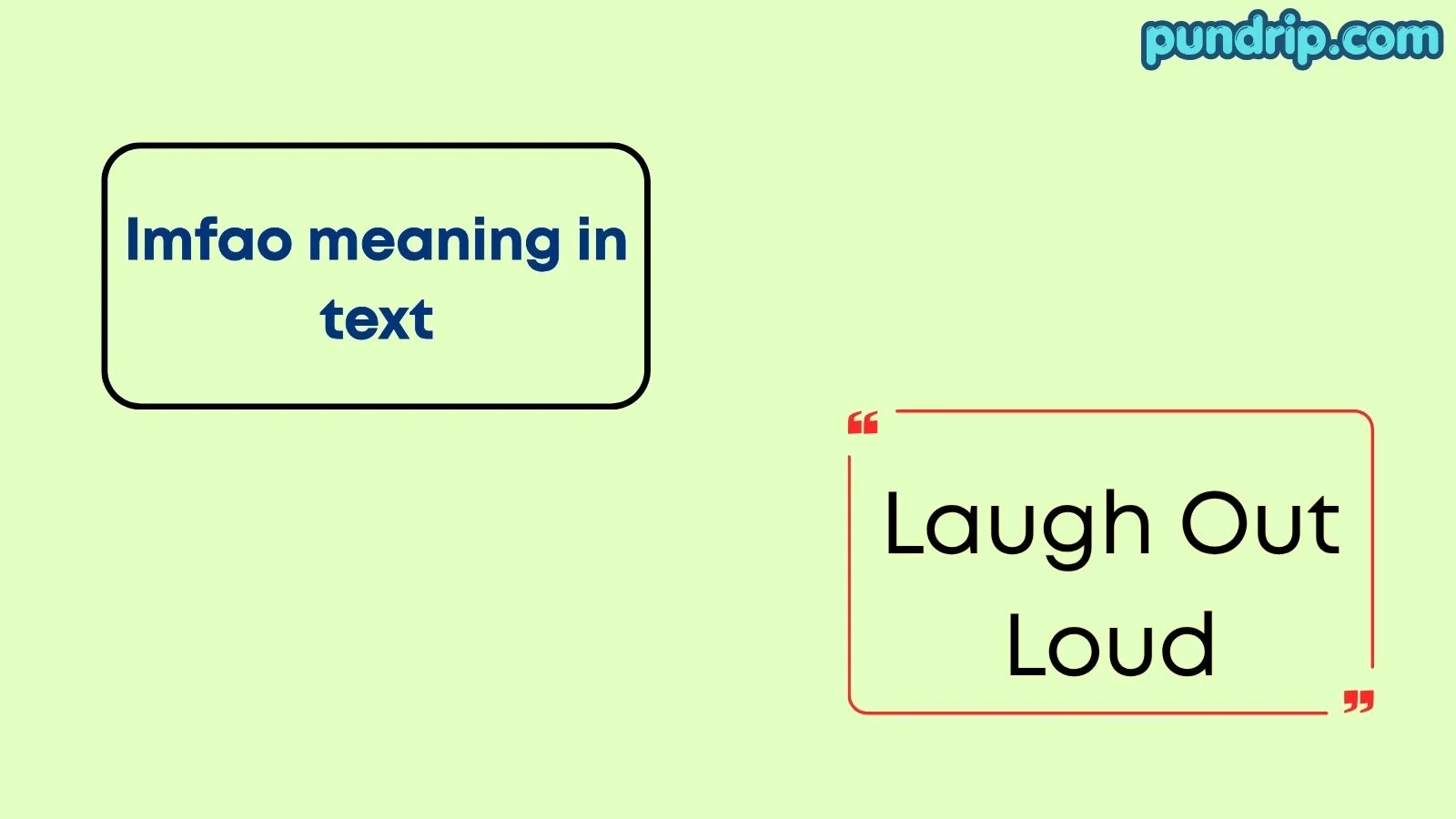
“LMFAO” stands for “Laughing My Freaking A** Off” (often with a stronger word in informal use). It is an exaggerated expression used in digital communication to indicate intense laughter or amusement. Compared to simpler terms like “LOL” (Laugh Out Loud), this abbreviation reflects a much stronger emotional reaction.
When someone uses “LMFAO,” they are typically reacting to something extremely funny—like a joke, meme, or unexpected comment. It can also be used sarcastically in some situations, depending on tone and context. For example, someone might say “LMFAO sure” to imply disbelief or mock humor.
Despite its humorous nature, the term contains a hidden element of profanity, which makes it less suitable for formal or professional communication. In casual conversations among friends, however, it’s widely accepted and understood.
It’s important to note that tone matters. Without facial expressions or voice cues, text-based slang like “LMFAO” can sometimes be misinterpreted. That’s why understanding the context is essential before using it.
Background & History
The origin of “LMFAO” can be traced back to early internet culture, particularly chatrooms, forums, and SMS texting in the late 1990s and early 2000s. During that time, character limits and the need for quick typing led to the rise of abbreviations like “LOL,” “BRB,” and eventually stronger expressions like “LMFAO.”
As internet culture evolved, so did the intensity of expressions. “LOL” began to feel overused and less impactful, prompting users to adopt more exaggerated forms of laughter. This is where “LMFAO” gained popularity as a way to emphasize stronger emotional reactions.
The term became even more mainstream with the rise of social media platforms such as Facebook, Twitter, and messaging apps. It was also popularized in pop culture, especially through music and viral content, which helped spread its usage globally.
Over time, “LMFAO” has become a standard part of internet slang, recognized by people across different age groups and regions. Despite its informal tone, it remains one of the most expressive ways to show laughter online.
Usage in Various Contexts
“LMFAO” is used across a wide range of digital platforms, including texting, social media, gaming chats, and comment sections. Its meaning remains consistent—strong laughter—but the tone can vary depending on context.
In casual chats with friends, it’s often used genuinely to react to something funny. For example:
“That video was hilarious, LMFAO!”
On social media, it may be used to engage with memes or viral content. Here, it serves as a quick way to show amusement and connect with others.
In gaming communities, “LMFAO” is frequently used during humorous or unexpected moments, such as a surprising in-game event or a funny mistake.
However, it can also carry sarcasm. For instance:
“LMFAO yeah, that totally worked…”
In this case, it implies the opposite of genuine laughter.
Because of its flexibility, understanding the surrounding conversation is crucial to interpreting its true meaning.
Common Misconceptions & Clarifications
One common misconception is that “LMFAO” is always appropriate to use in any situation. In reality, its informal and slightly explicit nature makes it unsuitable for professional or formal communication.
Another misunderstanding is that it always indicates genuine laughter. While it often does, it can also be used sarcastically or even passively aggressively. This dual meaning can sometimes confuse readers, especially if they are unfamiliar with internet slang.
Some people also believe that “LMFAO” is outdated. While newer slang terms continue to emerge, this abbreviation is still widely used and understood.
Additionally, many users are unaware of the explicit word hidden within the acronym. This can lead to accidental misuse in settings where such language might be inappropriate.
Understanding these nuances helps ensure that you use the term correctly and avoid potential misunderstandings.
Similar Terms & Alternatives
There are many alternatives to “LMFAO,” each with varying levels of intensity and tone. Some of the most common include:
- LOL (Laugh Out Loud): A mild expression of laughter
- ROFL (Rolling On the Floor Laughing): Stronger than LOL but less intense than LMFAO
- LMAO (Laughing My A Off):** Similar but slightly less exaggerated
- HAHA / 😂: Simple and universally understood expressions
Choosing the right alternative depends on the situation. For example, “LOL” may be more appropriate in semi-formal settings, while emojis can add clarity to tone.
Using alternatives can also help avoid the explicit element present in “LMFAO,” making your communication more versatile and audience-friendly.
How to Respond to This Term
When someone uses “LMFAO” in a conversation, your response should match the tone and context. If it’s used genuinely, you can respond with similar humor or continue the conversation in a lighthearted way.
For example:
“LMFAO that’s hilarious!”
Response: “Right? I couldn’t stop laughing either!”
If it’s used sarcastically, you may need to read between the lines. A neutral or clarifying response can help avoid confusion.
You can also mirror the tone by using similar expressions, such as “LOL” or emojis, depending on your comfort level.
The key is to stay aware of context and maintain a natural flow in the conversation.
Regional or Cultural Differences
While “LMFAO” is widely recognized globally, its usage can vary across cultures and regions. In English-speaking countries, it is commonly used and easily understood. However, in non-English-speaking regions, people may either adopt it directly or use local equivalents.
In some cultures, the explicit nature of the term may make it less acceptable, especially in public or formal settings. Younger audiences are generally more comfortable using it, while older generations may prefer simpler expressions like “LOL.”
Cultural sensitivity is important when using internet slang, as what is considered casual in one region may be seen as inappropriate in another.
Comparison with Similar Terms
Compared to other laughter-related abbreviations, “LMFAO” sits at the higher end of intensity. While “LOL” is often used casually—even without real laughter—“LMFAO” usually indicates a stronger emotional reaction.
“ROFL” and “LMAO” are closer in meaning but differ slightly in tone and exaggeration. “ROFL” emphasizes physical reaction, while “LMAO” is a toned-down version of “LMFAO.”
In modern usage, emojis like 😂 have become strong competitors, as they visually represent laughter and reduce the risk of misinterpretation.
Understanding these differences helps you choose the most appropriate expression for your message.
Usage in Online Communities & Dating Apps
In online communities such as forums, gaming platforms, and social media groups, “LMFAO” is commonly used to react to funny posts or comments. It helps create a sense of connection and shared humor among users.
On dating apps, its usage depends on tone and familiarity. While it can make conversations feel relaxed and playful, overusing it may come across as immature or overly casual.
For example:
“LMFAO you’re actually funny 😂”
This can be seen as a positive and engaging response.
However, using it too early in a conversation might not always create the best impression. Balancing humor with clarity is key.
Hidden or Offensive Meanings
Although “LMFAO” is primarily used to express laughter, its inclusion of a strong word can make it mildly offensive in certain contexts. This is especially true in professional environments or when communicating with people who prefer formal language.
Additionally, its sarcastic usage can sometimes come across as dismissive or rude, depending on how it’s interpreted.
Being mindful of your audience helps ensure that your message is received positively and avoids unintended offense.
Suitability for Professional Communication
“LMFAO” is generally not suitable for professional communication. Emails, business chats, and formal interactions require a more polished tone, and using slang with explicit undertones can appear unprofessional.
Instead, consider using neutral expressions like “That’s funny” or “I appreciate the humor.” These alternatives maintain professionalism while still conveying your reaction.
In informal workplace settings, such as team chats, its usage may be more acceptable—but only if the environment supports casual communication.
FAQs:
What does LMFAO mean in text?
It means “Laughing My Freaking A** Off,” used to show strong laughter.
Is LMFAO appropriate for formal use?
No, it’s informal and not suitable for professional communication.
Is LMFAO stronger than LOL?
Yes, it expresses much stronger laughter than LOL.
Can LMFAO be used sarcastically?
Yes, it can sometimes imply sarcasm or disbelief.
Are there safer alternatives to LMFAO?
Yes, options like LOL, LMAO, or emojis are more neutral.
Do people still use LMFAO today?
Yes, it remains popular in online conversations and social media.
Conclusion:
LMFAO is a powerful and expressive piece of internet slang that conveys strong laughter and emotion.
While it’s widely used in casual conversations, understanding its tone, context, and limitations is essential.
By using it appropriately and knowing when to choose alternatives, you can communicate more effectively and avoid misunderstandings in both personal and digital interactions.

I’m Mike Johnson the creative mind behind Pundrip a space where humor meets imagination and words come alive with personality. I’ve always believed that laughter isn’t just entertainment, it’s a connection. That belief is what inspired me to build a platform dedicated to clever puns, witty wordplay, and content that sparks genuine smiles. My journey started with a simple love for language the way a single word can twist, surprise, and delight. Over time, that curiosity turned into a passion for creating content that feels fresh, original, and full of energy. With Pundrip, my goal is to give readers a place they can visit anytime they need a quick laugh, a spark of creativity, or just a break from the ordinary.