The phrase “KYS” is one of the most searched internet slang terms because many people come across it in text messages, gaming chats, social media comments, or online communities without fully understanding its meaning.
Internet slang changes quickly, and abbreviations like this can sometimes carry harmless jokes in one situation and offensive or harmful intent in another.
Understanding the meaning of KYS in text is important because context matters heavily in online communication. Some users use it casually among friends, while others use it aggressively during arguments or toxic interactions. This difference often confuses people, especially younger users or parents trying to understand online language.
Definition & Meaning
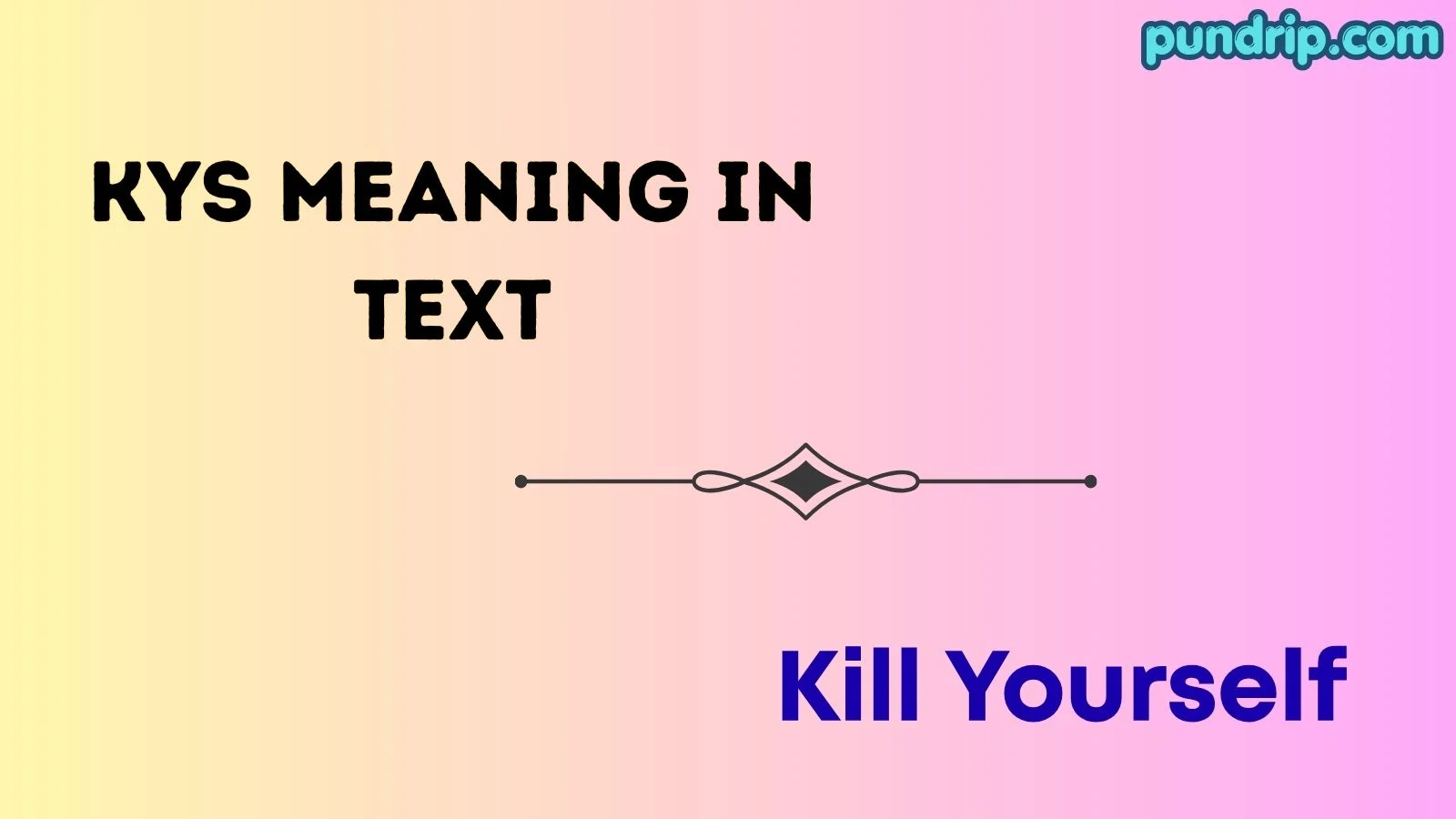
“KYS” is an internet abbreviation that commonly stands for “Kill Yourself.” It is usually used in online conversations, gaming chats, text messages, forums, or social media platforms. Although the phrase is short, it can carry strong emotional weight depending on the situation and tone.
In many cases, KYS is used as an insult during arguments or competitive gaming. Some people type it jokingly among close friends after embarrassing moments or failed jokes. For example, someone may say, “I forgot my password again, KYS lol.” In these cases, the sender may not literally mean harm. However, even when intended as humor, the phrase can still be offensive or upsetting.
The meaning becomes more serious when it is directed aggressively toward someone during bullying, harassment, or online attacks. Because of this, many platforms consider it toxic language and may moderate or remove such messages.
People often misunderstand internet slang because abbreviations appear less harsh than full sentences. However, KYS still represents a highly sensitive phrase. Context, relationship, and tone all influence how it is interpreted.
Today, many users avoid using it entirely because it may negatively affect others, especially individuals dealing with emotional or mental struggles. Understanding the seriousness behind the abbreviation helps create safer and more respectful online communication.
Background & History
The abbreviation KYS became widely known during the rise of internet forums, multiplayer gaming, and anonymous chat platforms in the early 2000s. As online communication became faster, users started shortening phrases into acronyms for convenience. Like many internet abbreviations, KYS spread quickly because it was short and easy to type.
Gaming culture played a major role in its popularity. Competitive online games often included aggressive trash talk, and toxic phrases became normalized in some communities. During intense matches, frustrated players used abbreviations like KYS to insult opponents after mistakes or losses.
Social media later expanded its usage. Platforms with meme culture and dark humor contributed to the phrase becoming more common among younger audiences. Some users treated it as sarcasm or exaggerated humor instead of a literal statement.
Over time, however, awareness around cyberbullying and mental health increased significantly. Schools, parents, online platforms, and mental health organizations began highlighting the harmful impact of hostile online language. As a result, many websites started monitoring phrases like KYS more carefully.
Today, the phrase remains controversial. Some internet users still see it as casual slang, while others consider it unacceptable regardless of context. Modern discussions about digital safety and respectful communication have changed how people view internet slang overall.
The history of KYS reflects how online language evolves over time. What once appeared as edgy internet humor is now more widely recognized as potentially harmful communication.
Usage in Various Contexts
KYS can appear in many different online situations, and its meaning often changes depending on the context. Understanding these contexts helps determine whether the phrase is being used jokingly, sarcastically, or aggressively.
Gaming Communities
In gaming chats, players sometimes use KYS during arguments, competitive matches, or moments of frustration. Toxic players may use it to insult teammates after mistakes. Unfortunately, this type of behavior became common in certain online gaming environments.
Social Media
On platforms like TikTok, X, Instagram, or meme pages, KYS may appear as part of dark humor or exaggerated reactions. Friends sometimes use it sarcastically after embarrassing stories or jokes. However, not everyone interprets it as humor.
Friend Groups
Among close friends, some people use the phrase casually without harmful intent. For example, someone might jokingly say it after a silly mistake. Even in friendly settings, though, the phrase can still make others uncomfortable.
Online Arguments
In hostile conversations, KYS is usually meant as an insult. In these cases, it becomes a form of harassment or cyberbullying rather than humor.
Meme Culture
Internet memes sometimes normalize offensive language by turning shocking phrases into jokes. This has contributed to confusion about whether KYS is “serious” or simply internet slang.
Because tone is difficult to detect in text communication, the same abbreviation can be interpreted very differently by different people. This is why many users avoid using it entirely.
Common Misconceptions & Clarifications
One major misconception is that KYS is always meant as a literal threat. In reality, many people use it sarcastically or jokingly online. However, even when used humorously, the phrase may still be harmful or offensive.
Another misunderstanding is that abbreviations automatically reduce seriousness. Some users think typing initials instead of full words makes the statement harmless. However, most people still understand exactly what the phrase means.
Some internet users also believe that “everyone online says it,” which normalizes toxic language. While certain communities may casually use the term, many platforms discourage or penalize this type of communication.
Another misconception is that only strangers use the phrase. In reality, friends sometimes use it jokingly among themselves. Still, humor varies between individuals, and not everyone is comfortable with dark jokes.
People also assume younger audiences always understand the slang. In fact, many parents, teachers, or casual internet users search for the term because they have never seen it before.
Clarifying context is important. The same phrase can feel very different depending on tone, relationship, and platform. Understanding these differences helps avoid misunderstandings and encourages healthier communication online.
Similar Terms & Alternatives
Internet slang includes many abbreviations similar to KYS. Some are harmless reactions, while others carry offensive or toxic meanings.
Common alternatives include:
- “GTFO” – Get out
- “STFU” – Shut up
- “L” – Loss or loser
- “Ratio” – Used to mock unpopular posts
- “Noob” – Inexperienced player
- “Touch grass” – Telling someone to go offline
Unlike many casual slang terms, KYS has stronger emotional implications because it references self-harm directly. That makes it more controversial than ordinary online insults.
Safer alternatives exist for expressing frustration or joking with friends. Instead of using harsh abbreviations, people often say:
- “That was embarrassing”
- “You messed up badly”
- “I can’t believe you did that”
- “Bruh moment”
These alternatives communicate humor or criticism without crossing sensitive boundaries.
As internet culture evolves, many users now prefer language that is funny without being harmful. Modern online communities increasingly value respectful humor over shock-based insults.
How to Respond to This Term
If someone sends you KYS in a message, your response should depend on the context and relationship.
If it comes from a close friend joking around, you can choose whether you are comfortable with that humor. Some people ignore it, while others politely explain they dislike the phrase.
If it appears during online harassment or bullying, it is often best not to engage emotionally. Instead, consider:
- Blocking the user
- Reporting the message
- Leaving toxic conversations
- Saving evidence if necessary
Responding calmly usually works better than escalating arguments. Online conflicts often become worse when both sides continue attacking each other.
Parents or teachers who notice the abbreviation should avoid panicking immediately. Asking calmly about context often leads to better conversations with teenagers or young users.
The safest approach is encouraging respectful communication. Internet slang may seem casual, but words still affect people differently.
Regional or Cultural Differences
The interpretation of KYS varies across regions, cultures, and online communities. In some English-speaking internet spaces, especially gaming communities, the phrase became normalized as edgy humor. In other cultures, it may be viewed as extremely shocking or unacceptable.
Younger internet users often recognize the abbreviation immediately, while older generations may not understand it at all. Cultural attitudes toward humor also influence reactions. Some online groups accept dark jokes more openly, while others strongly reject them.
Different platforms moderate the phrase differently as well. Certain websites automatically flag or remove messages containing harmful language, while others rely on user reports.
Language barriers can also create misunderstandings. Non-native English speakers sometimes encounter the abbreviation without realizing how serious it can sound to others.
Because internet culture is global, slang spreads quickly between countries and communities. However, meanings and emotional impact can still vary significantly depending on cultural context.
Comparison with Similar Terms
KYS is often compared with other toxic internet slang terms, but it stands out because of its severity.
For example:
- “Noob” criticizes skill level.
- “Trash” insults performance.
- “Touch grass” mocks excessive internet use.
- “STFU” tells someone to stop talking.
While these phrases may still be rude, KYS is generally viewed as more harmful because it references self-harm directly.
Some users group it with “dark humor” slang, but many people believe it crosses a line that ordinary insults do not. This distinction explains why platforms and moderators often react more strongly to it.
Compared to playful internet teasing, KYS carries greater emotional risk. That is why understanding the difference matters in digital communication.
Usage in Online Communities & Dating Apps
KYS occasionally appears in online communities, meme pages, Discord servers, gaming groups, and even dating apps. In most cases, it is used jokingly, sarcastically, or during heated arguments.
On dating apps, the phrase is usually considered inappropriate and immature. Most users view respectful communication as more attractive and socially acceptable. Using hostile slang can quickly damage conversations or lead to reports.
In gaming and meme communities, however, edgy humor sometimes normalizes harsh language. People who spend a lot of time in these spaces may become desensitized to phrases others find offensive.
Moderation policies continue changing as platforms focus more on safety and anti-harassment rules. Some communities now ban toxic slang entirely to create healthier online environments.
Understanding platform culture helps explain why reactions to KYS vary so widely online.
Hidden or Offensive Meanings
Although some users claim KYS is “just a joke,” the phrase still contains potentially harmful implications. Because it directly references self-harm, many people consider it offensive regardless of intent.
The abbreviation can also become a tool for cyberbullying when directed repeatedly at vulnerable individuals. Online anonymity sometimes encourages people to say things they would never say face-to-face.
Even when used sarcastically, the phrase may unintentionally upset someone struggling emotionally. This hidden impact is one reason many mental health advocates discourage using the term casually.
Internet humor often relies on exaggeration and shock value, but offensive slang can affect people differently depending on personal experiences. What feels funny to one person may feel deeply hurtful to another.
As awareness around online mental health grows, many communities encourage more thoughtful communication and discourage harmful abbreviations like KYS.
Suitability for Professional Communication
KYS is not suitable for professional communication under any circumstance. It should never be used in:
- Workplace conversations
- Emails
- Business chats
- Professional gaming teams
- School discussions
- Customer support interactions
Even if intended as a joke, the phrase can appear unprofessional, offensive, and inappropriate. Most organizations prioritize respectful communication standards, and using toxic slang could damage reputations or relationships.
Professional environments require clear and respectful language. Internet abbreviations with harmful meanings rarely translate well outside casual online spaces.
If you want to joke professionally, safer humor and friendly language are much better choices.
FAQs:
What does KYS mean in texting?
KYS usually stands for “Kill Yourself” in online slang and texting conversations.
Is KYS considered offensive?
Yes, many people consider it offensive because it references self-harm directly.
Do friends use KYS jokingly?
Some friends use it sarcastically online, but not everyone is comfortable with that humor.
Is KYS banned on some platforms?
Yes, certain platforms moderate or remove messages containing harmful language like KYS.
Should you use KYS professionally?
No, it is completely inappropriate for professional or workplace communication.
Why do people search for KYS meaning?
People often search for it after seeing the abbreviation in games, texts, memes, or social media comments.
Conclusion:
Understanding the meaning of KYS in text is important because internet slang can carry very different meanings depending on context. While some users treat it as dark humor or sarcasm, others view it as offensive, harmful, or emotionally damaging.
The abbreviation became popular through gaming culture, memes, and online communities, but awareness around cyberbullying and respectful communication has changed how many people see it today.
Because tone is difficult to interpret online, phrases like KYS can easily create misunderstandings or hurt feelings. Choosing safer and more respectful language helps build healthier digital conversations.
Whether you encounter the term in gaming chats, social media, or texting, understanding its implications allows you to respond more thoughtfully and responsibly.

I’m Michael Carter the creative mind behind Pundrip a space where words come alive, humor feels effortless, and creativity never runs dry. What started as a simple love for clever wordplay turned into a passion for building something that makes people smile, think, and come back for more. I’ve always believed that the right words can change a moment. Whether it’s a witty pun, a playful twist, or a clever line that sticks in your mind, I enjoy crafting content that feels fresh, original, and genuinely fun to read. Pundrip is more than just a website to me it’s a reflection of my personality: lighthearted, creative, and always evolving.